
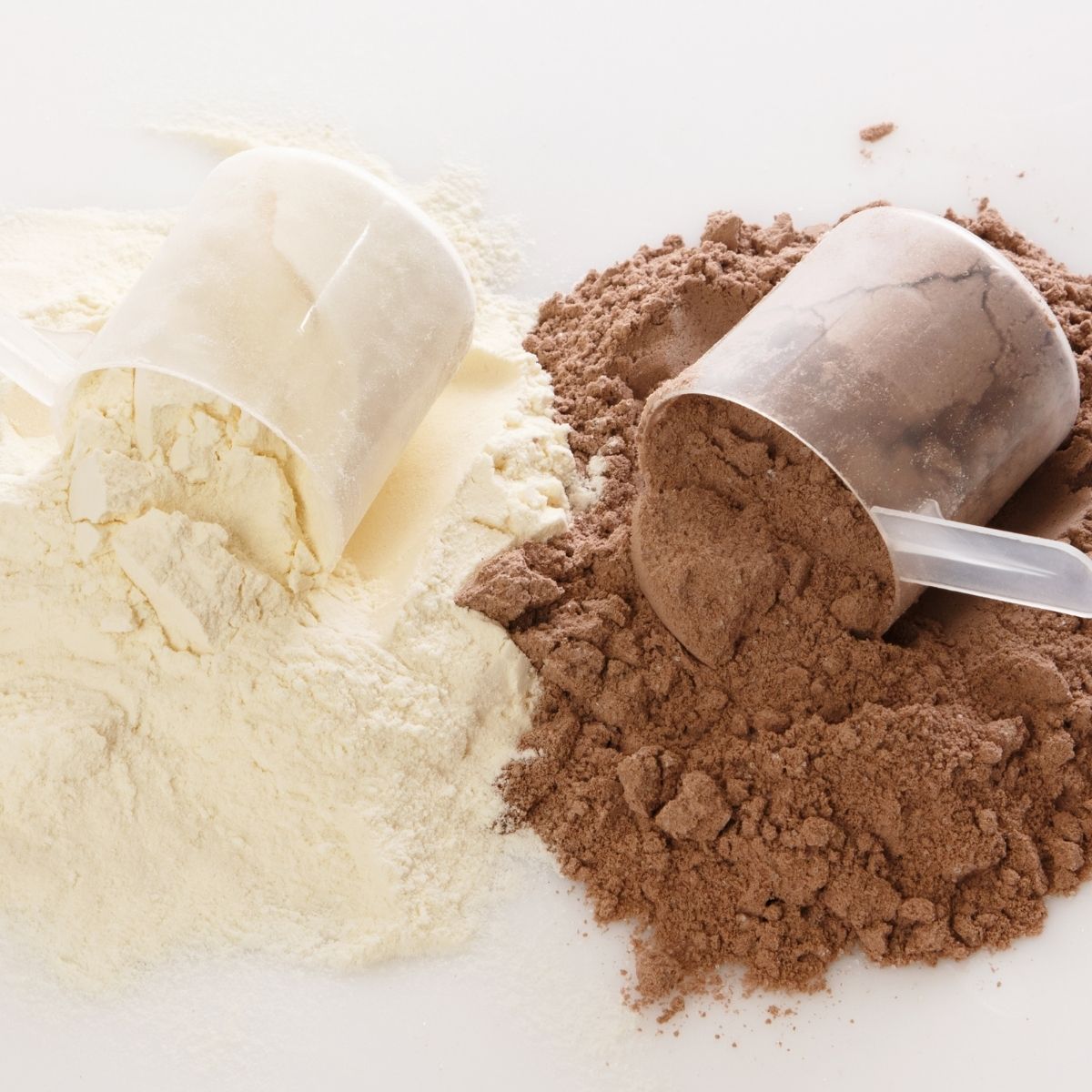
Finding a flavored protein powder without artificial sweeteners is harder than it should be. Many popular brands rely on ingredients like sucralose, aspartame, or other synthetic additives to enhance flavor, which can be a dealbreaker for those who prefer a more natural approach to nutrition or are looking for a clean protein powder.
As a registered dietitian, I’ve done the work for you. I rounded up the 12 best protein powders without artificial sweeteners or stevia, including unsweetened options and naturally flavored varieties that don’t sacrifice taste for cleanliness.
Whether you’re focused on muscle strength and recovery, weight management, or simply boosting your protein intake, there’s a clean option here for you. Keep reading for my top picks so you can fuel your body with confidence.
| Product | Type | Protein per Serving | Sweetener | Description |
|---|---|---|---|---|
| Naked Whey Plain | Whey | 25g | None | Single-ingredient whey with no sweeteners, flavors, or fillers—the ultimate clean base. |
| Naked Whey Vanilla | Whey | 25g | Organic coconut sugar | A lightly sweetened vanilla whey with just 3 ingredients and no stevia or artificial sweeteners. |
| Naked Whey Chocolate | Whey | 25g | Organic coconut sugar | Clean chocolate whey made with organic ingredients and just 3g of added sugar per serving. |
| Bob's Red Mill Almond Protein | Plant-based | 20g | None | Neutral-flavored and unsweetened—great for smoothies, oatmeal, soups, and savory recipes. |
| Simply Fuel Chickpea Protein | Plant-based | 20g | None | A mild, smooth single-ingredient chickpea protein with 5g of fiber and no additives. |
| Bob's Red Mill Hemp Protein | Plant-based | 12g | None | One-ingredient hemp protein with 11g of fiber and 35% of your daily iron needs. |
| Vega Protein Made Simple Vanilla | Plant-based | 15g | Organic cane sugar | A vegan, nut-free vanilla protein with minimal ingredients and 5g of natural sugar. |
| Vega Protein Made Simple Chocolate | Plant-based | 20g | Organic cane sugar | Vegan, nut-free chocolate protein—clean ingredients with a smooth, natural flavor. |
| Orgain Simple Plant Protein Vanilla | Plant-based | 20g | Organic coconut sugar | A vegan blend of peas, brown rice, nuts, and seeds with no artificial sweeteners or gums. |
| Orgain Simple Plant Protein Chocolate | Plant-based | 20g | Organic coconut sugar | Rich chocolate flavor from organic plant sources with just 2g of added sugar per serving. |
| PB Fit Organic Peanut Butter Powder | Plant-based | 7g | Organic coconut sugar | Three clean ingredients deliver that peanut butter taste with 7g of protein per serving. |
| Great Lakes Collagen | Collagen | 18g | None | Unflavored collagen peptides with potential benefits for skin, joints, and cartilage health. |
Note that I use affiliate links for the products I vet for my readers. These are my genuine recommendations and represent my years of experience testing and vetting products. It doesn’t cost you anything to shop through these links, and you’re under no obligation to shop or purchase through my site. When you do make a purchase through an affiliate link, I receive a nominal commission, which helps me provide this service to you. Thanks for supporting my site!
Top 11 Best Protein Powders without Artificial Sweeteners

Best Unsweetened Whey Protein Powder: Naked Whey Plain
If you’re ok with dairy and looking for a clean, no-nonsense protein powder, Naked Whey Plain is the way to go. It contains just one ingredient—grass-fed whey protein (25 grams per serving)—without added sweeteners, flavors, or fillers. As a dietitian, I appreciate its simplicity, especially for those wanting to avoid sugars or artificial ingredients. While it’s plain, you can control the flavor by adding natural ingredients like fruits or spices, making it an excellent base for anyone prioritizing a clean protein powder.
Best Unsweetened Almond Protein Powder: Bob’s Red Mill Gluten Free Almond Protein Powder
One of my fave unsweetened protein powders is almond protein powder because it has a neutral flavor, so it’s easy to add to anything from oatmeal to smoothies to baked goods to savory foods, such as soups. As a dietitian, I love the nutrient profile of almonds, which offer protein (20 grams) and healthy fats and fiber (6 grams), making this powder an excellent option for supporting satiety and muscle health without added sugars. Another thing to love: This clean protein powder supplies 246 mg of natural, plant-based calcium, which is 20% of your daily requirement.
Best Unsweetened Chickpea Protein Powder: Simply Fuel Protein Powder
Chickpea protein is a unique and exciting option (I’m a dietitian nerd!), and Simply Fuel’s unsweetened version stands out for its simplicity and nutrient profile. Compared to pea protein, chickpea protein has a cleaner, milder, smoother taste, making it a more versatile option. You’ll get 5 grams of fiber and 20 grams of protein from just one ingredient: chickpea protein. It’s a nutrient-dense, unsweetened protein powder with no additives. Sure, it’s great in smoothies, but you can also try it in anything from oatmeal to pancakes to baked goods to dips!
Best Unsweetened Hemp Protein Powder: Bob’s Red Mill Hemp Protein Powder
This unsweetened protein powder has 12 grams of protein and 11 grams of fiber from one simple ingredient: hemp protein. It also naturally supplies 35% of your daily iron needs. In all honesty, its earthy flavor gets mixed reviews and may take getting used to, but it mixes well with other ingredients in smoothies or savory recipes, so I recommend it.
Best Vanilla Whey Protein Powder: Naked Whey Vanilla
Naked Whey Vanilla delivers a great-tasting vanilla protein powder without relying on artificial sweeteners or stevia, which can sometimes have an unpleasant aftertaste and may be associated with increased health risks. Instead, it’s sweetened with organic coconut sugar, providing a light sweetness–just 3 grams of added sugar– without overwhelming your taste buds. I also love that it’s made with just three ingredients. It’s a solid choice for sugar-conscious people who still want to enjoy a flavored protein powder that packs 25 grams of protein per serving.
Best Chocolate Whey Protein Powder: Naked Whey Chocolate
Naked Whey is a winner for those looking for a clean protein powder without artificial sweeteners. As a registered dietitian focused on minimizing sugar intake, I appreciate that Naked Whey Chocolate uses only a few natural ingredients—grass-fed whey protein, organic chocolate, and organic coconut sugar. Organic ingredients make it a cleaner alternative to many other chocolate-flavored protein powders on the market that rely on artificial sweeteners like sucralose or stevia. Like its vanilla counterpart, it provides 25 grams of protein per serving.
 Best Vanilla Pea Protein Powder (Vegan, Nut Free): Vega Protein Made Simple Vanilla
Vega Protein Made Simple Vanilla is an excellent choice for those who prefer a naturally sweetened vanilla flavor without stevia. It has 5 grams of added sugar from organic cane sugar and 15 grams of plant-based protein. Its minimal ingredients make it an excellent option for those who want a simple, clean protein protein powder that’s free from artificial sweeteners, additives, and other unwanted ingredients. If you’re looking for a vanilla pea protein, this one gets my thumbs up!
Best Chocolate Pea Protein Powder (Vegan, Nut Free): Vega Protein Made Simple Chocolate
Unsurprisingly, my pick for the best chocolate pea protein powder is Vega’s Protein Made Simple Chocolate flavor. It’s a great option for those who crave chocolate and desire a plant-based option but are mindful of added sugars and artificial sweeteners. The natural ingredients keep the flavor smooth and indulgent without any unnecessary additives. Like its vanilla version, it has 15 grams of plant-based protein from peas and 5 grams of added sugar.
Best Vegan Vanilla Plant Protein Powder: Orgain Simple Plant Protein Powder in Creamy Vanilla
If you don’t require a nut-free protein powder, you may want to try Orgain’s Simple Plant Protein Powder in Creamy Vanilla. It has 20 grams of protein from a blend of organic peas, brown rice, nuts, and seeds. It has a touch of sweetness (5 grams of added sugar) from organic coconut sugar. I also appreciate what it doesn’t have: artificial sweeteners, flavors, preservatives, stevia, erythritol, and gums. Overall, I’m a fan of its clean ingredient list and the fact that it provides a good source of protein from organic plant-based ingredients.
Best Vegan Vanilla Plant Protein Powder: Orgain Simple Plant Protein Powder in Chocolate
For those who love chocolate, Orgain’s Simple Plant Protein Powder in Chocolate is a solid choice that provides a rich, chocolatey flavor without unnecessary and unwanted ingredients. This plant-based protein powder has 20 grams of protein from various organic plant-based sources, such as peas, brown rice, nuts, and seeds. What really stands out is that it has just 2 grams of added sugar from organic coconut sugar. It’s the perfect vegan option for mixing into smoothies, post-workout shakes, oatmeal, and baked goods, providing both a convenient source of protein and a chocolatey flavor.
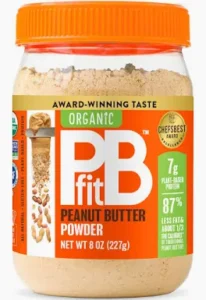 Best Peanut Butter Flavor Protein Powder: PB Fit Organic Peanut Butter Powder
Peanut butter lovers, this one’s for you! If you love PB as much as I do, this clean protein powder will surely be a hit! It’s got that peanutty taste you crave and adds a nice touch of protein–7 grams–to dips, oatmeal, baked goods, pancakes, and more. It’s lightly sweetened with 2 grams of added sugar and made with just three ingredients: organic peanut flour, organic coconut sugar, and salt.
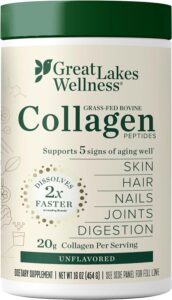
Best Collagen: Great Lakes Collagen
Collagen has some unique benefits compared to other protein sources. Studies suggest collagen improves skin moisture, reduces wrinkles (yay!), and improves roughness. Additionally, collagen peptides have been found to promote cartilage repair, suggesting it may be beneficial for osteoarthritis, and some research suggests that it may relieve pain and improve joint function.
While collagen may be a great addition to your health routine, don’t count on it to improve your muscle mass. Research from 2020 comparing its effects on whey protein among a small group of women determined that it was MUCH less effective at building muscle than whey protein. Still, I recommend it for the potential skin and joint benefits, and this one is modestly priced and was tested and approved by Consumer Lab, indicating that it’s free from harmful contaminants.
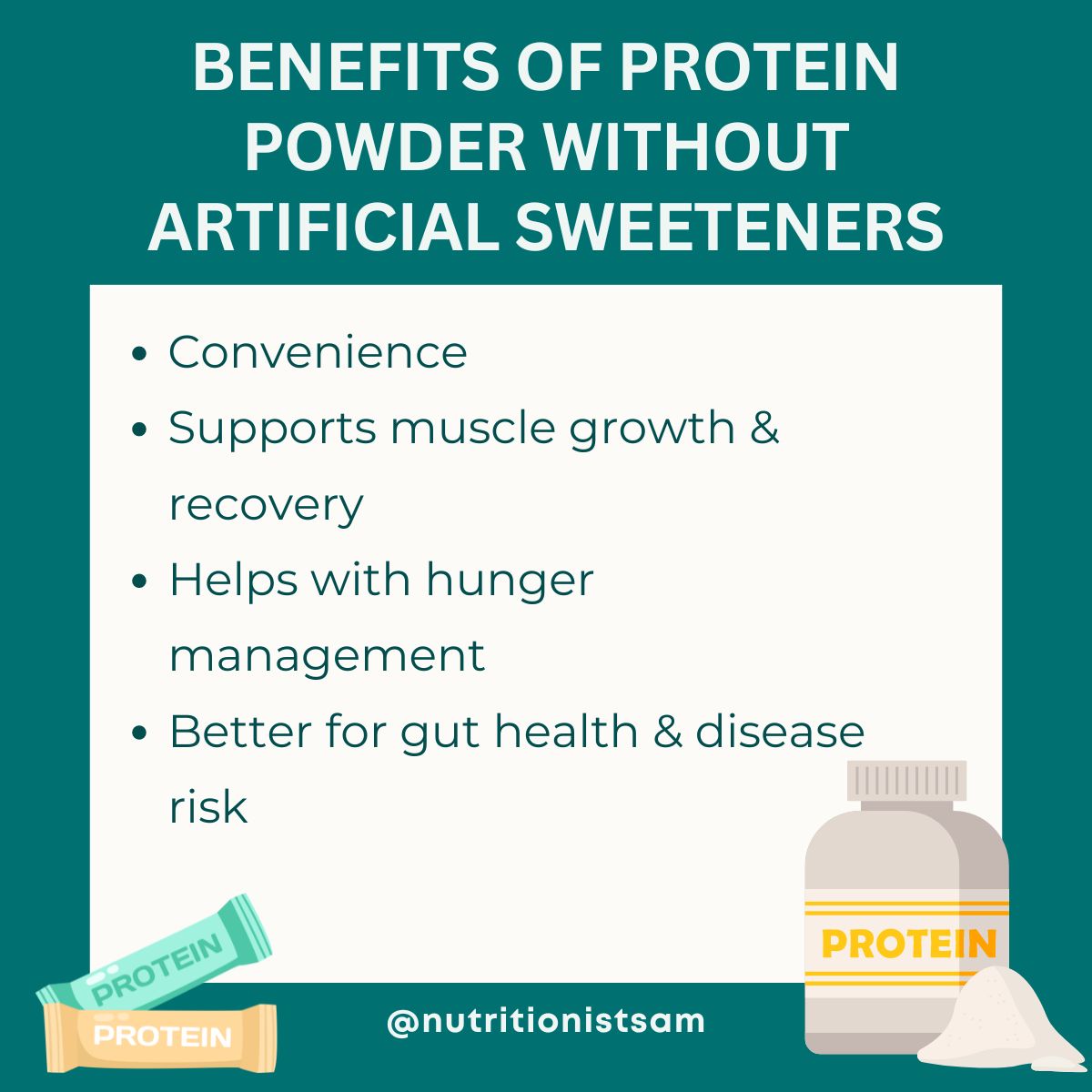
Benefits of Protein Powders Without Artificial Sweeteners
Opting for clean protein powders without artificial ingredients not only enhances the quality of your protein supplement but also supports your overall health and wellness goals. Here are some benefits of protein powders and insights on why it’s a good idea to prioritize protein powders without artificial sweeteners or other additives.
Convenience
Assuming you’re eating protein at each of your meals, you don’t need a protein powder, but protein powders can make life a little easier if you’re struggling to get adequate protein (in the range of 20 to 30 grams) at meals. It can be especially challenging for people to meet protein needs at breakfast since many typical breakfast options, like cereal, oatmeal, and avocado toast, are low in protein. (Find out my favorite high-fiber low-sugar cereals.)
You can certainly meet your protein needs with whole foods like chicken, fish, pulses, Greek yogurt, tofu, cottage cheese, and eggs, but you can’t beat the convenience of a clean protein powder. (Get some high-protein breakfast recipe ideas.)
Supports Muscle Growth and Recovery
Protein powders provide a convenient and efficient way to increase your protein intake, which is essential for muscle repair, growth, and recovery after workouts. (Protein alone won’t do the job–you still need to strength train for muscle growth and strength).
Clean protein powders, specifically those without artificial ingredients, deliver the necessary nutrients without exposing you to potentially harmful additives.
Helps with Hunger Management
Protein is a powerful nutrient for managing hunger and reducing the likelihood of overeating. One of the key reasons is that protein takes longer to digest than carbohydrates and fats, which helps you feel full and satisfied for a longer period. Additionally, consuming protein triggers the release of hormones that signal fullness to the brain, curbing your appetite.
By incorporating more protein into your meals and snacks, you can better manage your appetite, avoid energy crashes, and reduce cravings for unhealthy foods. Ultimately, a protein-rich diet may help you manage portion sizes and prevent overeating.
Better for Gut Health and Disease Risk
Artificial sweeteners and additives found in many protein powders may cause digestive issues like bloating, gas, or stomach discomfort for some people. Also, artificial sweeteners alter your gut microbiome, potentially leading to health issues. I recommend choosing a clean protein powder without artificial sweeteners for these reasons.
Additionally, long-term studies suggest that artificial sweeteners may be linked to serious health risks, like a higher risk of weight gain, heart disease, stroke, and type 2 diabetes. Unfortunately, we can’t say that more naturally-derived sweeteners, like monk fruit extract or stevia, are any safer–the research is pretty thin in this area because some of these sweeteners haven’t been around as long. Additionally, they aren’t consumed as much as artificial sweeteners, which are prevalent in diet and zero-calorie sodas–where people frequently encounter these ingredients.
In fact, the WHO released a statement in 2023 recommending not to use non-sugar sweeteners for weight control or lowering disease risk since the evidence suggests there may be long-term health risks related to non-sugar sweeteners, whether natural or not. That said, I don’t want to alarm you. These sweeteners can be helpful sometimes, and I don’t shy away from them altogether. However, I think it’s smart to assess your relationship with sweets and see if there’s an opportunity to reduce your reliance on sweet fare in general. (Here are my time-tested ways to detox from sugar.)
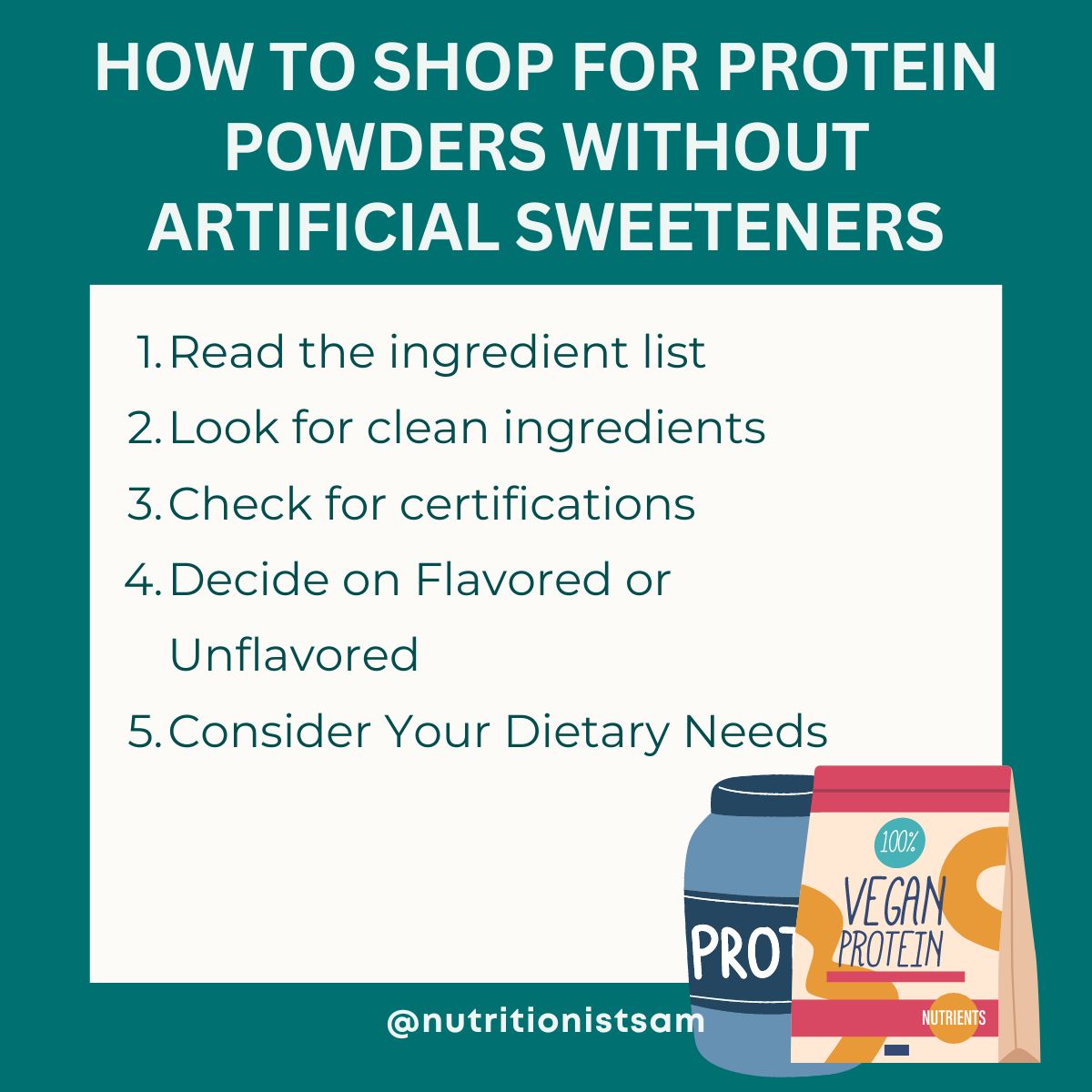
How to Shop for Protein Powders without Artificial Sweeteners
Shopping for a protein powder free from artificial sweeteners requires a bit of label reading and ingredient awareness. Here are some key tips to guide you in finding a high-quality, clean protein powder:
Read the Ingredients List
You probably saw this coming from a mile away, but the first step in finding a clean protein powder is to check the ingredients list. Look for natural sweeteners such as cane sugar or no sweeteners at all. Side note: This is an instance where I choose regular sweeteners over alternative sweeteners since very tasty, quality products are available with small amounts of added sugars–5 grams or less, which is a little over a teaspoon.
If you prefer a zero-calorie sweetener, some of the more natural ones are stevia, monk fruit, and allulose, however, I’d suggest using these in moderation. I recommend avoiding products containing sucralose, aspartame, acesulfame potassium, or any other artificial sweeteners.
I also avoid unnecessary ingredients such as vitamins, minerals, and other supplement enhancements, like ashwagandha. A protein powder doesn’t need to be a multivitamin, and you can overdo certain nutrients if you’re getting them in multiple products. The bottom line is that a simple ingredients list is a good indicator of a clean, high-quality product.
Look for Clean Ingredients
Choose protein powders that contain simple ingredients like pea protein, chickpea protein, hemp protein, peanut protein, almond protein, or grass-fed whey. I also ensure the product is free from additives, including artificial sweeteners, gums or thickening agents, and nutrient or supplement enhancements. Outside of a protein blend, you want to see just a few ingredients–say, cane or coconut sugar and salt.
Check for Certifications
Certifications like USDA Organic, Non-GMO Project Verified, or NSF Certified for Sport can be helpful indicators that you’re purchasing a quality product. Certain third-party certifications, such as the NSF designation, ensure that the protein powder has been tested for purity and is free from potentially harmful contaminants.
Decide on Flavored or Unflavored
Protein powders have many uses, so it’s helpful to consider how you will use them and choose a flavored or unflavored version accordingly. Or, if you’re like me, you may keep a few options on hand to use in various ways. I like to add vanilla and chocolate protein powders to smoothies and baked goods, while I use unsweetened protein powders for dips, soups, oatmeal, and purees, like cauliflower mash. Meanwhile, I also add collagen protein powder to coffee; if I don’t have time for a complete meal, I’ll add some vanilla or chocolate protein powder in for good measure.
Consider Your Dietary Needs
Different types of protein powders cater to different dietary preferences and restrictions. For plant-based eaters, pea, rice, or hemp protein (or a blend) are good choices, while those who are ok with animal-based protein might opt for grass-fed whey or collagen (although collagen isn’t the right choice for building muscles.)
Frequently Asked Questions
What are the best protein powders without artificial sweeteners?
The best options depend on your dietary needs and taste preferences, but top picks include Naked Whey Plain (unsweetened whey), Vega Protein Made Simple (plant-based), and Orgain Simple Plant Protein (vegan blend). All of these are free from artificial sweeteners like sucralose, aspartame, and acesulfame potassium.
What protein powders have no sweetener at all?
If you want a completely unsweetened protein powder, look for Naked Whey Plain, Bob’s Red Mill Almond Protein Powder, Simply Fuel Chickpea Protein, and Bob’s Red Mill Hemp Protein. These contain no sweeteners of any kind—natural or artificial—making them the most versatile for savory recipes, oatmeal, soups, and dips.
What are the best protein powders without stevia?
Many people find stevia has a bitter aftertaste or want to avoid it entirely. Good options without stevia include Naked Whey Vanilla (sweetened with organic coconut sugar), Vega Protein Made Simple (sweetened with organic cane sugar), and Orgain Simple Plant Protein. All deliver flavor without relying on stevia or other non-sugar sweeteners.
Is unsweetened protein powder better for you?
Not necessarily better—it depends on your goals and how you use it. Unsweetened protein powders give you more control over flavor and are ideal if you’re adding protein to savory dishes or already-sweet smoothies. If you prefer a flavored powder, choosing one with a small amount of natural sugar (5 grams or less) is a perfectly reasonable choice, as a registered dietitian.
What is a clean protein powder?
A clean protein powder has a short, simple ingredient list with no artificial sweeteners, synthetic additives, fillers, gums, or unnecessary supplement enhancements. Ideally it contains just the protein source and perhaps a natural sweetener and salt.
Are protein powders with stevia safe?
Stevia is generally recognized as safe, but research on long-term use is still limited. The WHO has recommended against using non-sugar sweeteners—including stevia—for weight control, citing potential long-term health risks. While stevia isn’t dangerous in moderation, if you’d prefer to avoid it, there are plenty of good protein powder options sweetened with small amounts of natural sugar instead.
Key takeaways
Protein powders without artificial sweeteners can be a convenient way to optimize your protein intake. I suggest choosing a clean protein powder with simple ingredients to avoid unnecessary additives, such as fillers, gums, and supplement or nutrient enhancements. These protein powders are easy to incorporate into various recipes, from smoothies to baked goods to dips and soups, offering an easy way to get the protein you need to support your goals, whether that’s building muscle, managing weight, or just optimizing your protein intake.
If you’re looking for more advice, I’d love for you to join my membership program, where you can ask me questions about products, nutrition-related info you read online, or anything else related to eating well! The first week is free!
Additional Resources
Looking for more products that get my approval? Here are some of my recent guides.




13 Responses
Thank you SAM for making the statement in your review of naked whey vanilla that “stevia may be associated with health risks”. I read so many reviews about protein powders and they completely disregard “new research” that is showing that stevia is not a sweetener substitute we should consider (and the taste…ugh). in fact, monk fruit is the only sweetener substitute that I have not read any negatives about. Give researchers time….they’ll pick that one apart as well! thanks for the best top 5 or 10 reviews of protein powders i have read in the last two hours. My search (with review articles on this topic) is over with your article!
Thank you for the message! I’m so glad my post was helpful! I try to be thorough, and I think the science speaks for itself. Monk fruit extract is a newer sweetener, so while we wait for the science to come in, I think a cautious approach makes sense. Good luck!
Wow! Thank you for such a kind and thorough review!
That’s very helpful for me
Thanks
I’m so glad to hear it! I try to give you everything you need to know to make healthy choices for yourself! Good luck and let me know if there’s anything else I can do to help!
Appreciate this post on powders with no artificial sugars. I really hate the taste of them all and this was super helpful thanks
I’m so happy this was helpful! I try to be thorough!! Let me know if I can help with anything else. 🙂
I’m so glad this was helpful. I like being thorough! Let me know if you want me to review anything else!
Hey there! I’d Love to hear more about nut free powders – the ones you have listed as “nut free” still have coconut as the main INGREDIENT. Thank you!
Hi Adrienne. Coconut is considered a nut by the FDA, but it’s not a typical allergen. The chickpea protein powder is a nut-free option. Did you notice that one? It might be the ideal choice for you!
Thank you for this helpful info. Out of the protein powders that you listed-which one would have the lowest oxalate per serving? I get calcium oxalate kidney stones.
tYIa.
Thank you for asking! Unfortunately I can’t provide personalized dietary advice on my site. If you’d like to inquire about 1:1 nutrition coaching, please go to the contact page and we can set up time for a quick (free) chat!
Hi Cathy–this is, unfortunatley, something I can’t answer in the context of my informational blog. This blog is for general purposes only. However, if you’d like to get in touh about my private practice, you can reach out on the contact page and we can schedule time to chat.